Nature Junk Journal Kit: Canva Templates for Creatives
Bringing the Outdoors to Your Design Table
There is a specific kind of magic found in the texture of old paper and the organic shapes of the natural world. As designers and content creators, we often struggle to translate that tangible, "lived-in" aesthetic into our digital workflows. We want our brand identities and editorial designs to feel warm and authentic, but standard digital assets often look too sterile. This is where the Nature Junk Journal Kit + Canva Templates steps in to bridge the gap between tactile artistry and modern digital convenience.
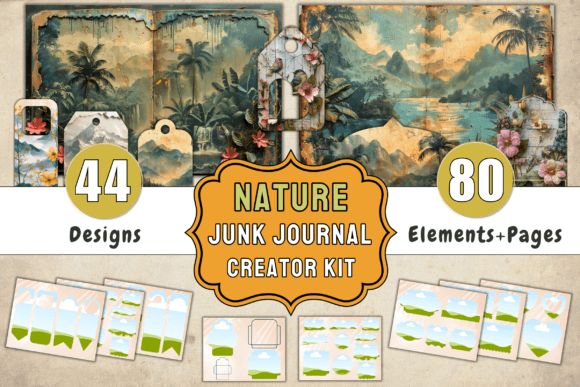
This collection isn't just a set of random images; it is a curated system designed to mimic the layering and depth of a physical scrapbook. The visual character of this kit is defined by earthy tones, botanical elements, and a mix of textures that suggest a well-loved journal. Whether you are a small business owner creating packaging inserts or a blogger designing Pinterest graphics, the aesthetic here leans heavily into vintage charm and organic elegance. It moves away from the rigid grids of modern web design and embraces a more fluid, collage-based composition.
Decoding the Digital Components
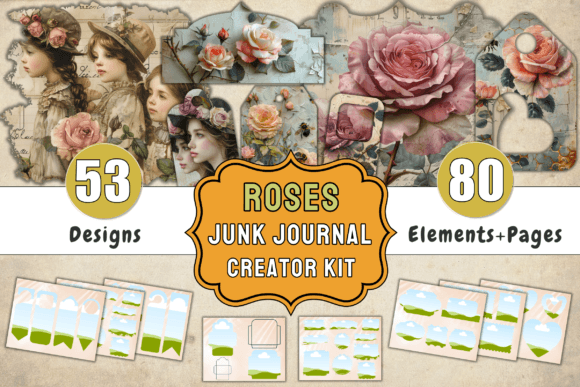
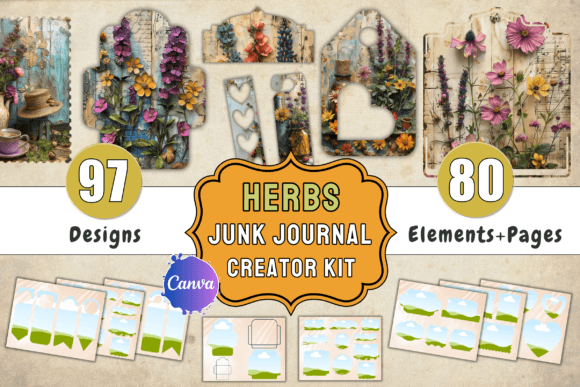
Understanding exactly what you are working with is the first step to maximizing this resource. The Nature Junk Journal Kit provides immediate utility through a combination of static high-resolution images and dynamic, editable templates. You receive 44 distinct Nature Digital Papers in 300dpi JPG format. These are your foundation layers. In a branding context, these work exceptionally well as background textures for websites or as overlay layers in photo editing to add depth to social media graphics. The resolution is high enough for print projects, meaning you can use these for packaging design or physical marketing collateral without fear of pixelation.
However, the true power for modern content creators lies in the Canva Templates. The kit includes two primary Canva templates containing the "Elements" and "Pages." This is where the design strategy shifts from passive consumption to active creation. You are not just buying a picture; you are buying a customizable framework.
The kit includes a robust library of editable vector elements within Canva:
- 10 Editable Frames: Use these to anchor your photography. In editorial design, a frame dictates the focal point. These organic frames draw the eye inward without the harshness of a solid border.
- 15 Editable Envelopes and Pockets: For entrepreneurs, these are perfect for creating "unboxing" experiences. Imagine a digital gift voucher or a physical thank-you card tucked into a virtual pocket—it adds a layer of interactive storytelling to your brand identity.
- 15 Editable Labels and Tags: Essential for marketing. Use these to highlight pricing, call-to-actions, or product features in a way that feels handwritten and personal rather than corporate.
Strategic Application for Branding and Marketing
How does a "junk journal" style fit into professional marketing? The answer lies in the current shift toward "humanized" branding. Audiences are tired of sterile, stock-photo-heavy marketing. They crave connection. Using elements from the Nature Junk Journal Kit allows you to create a visual language that feels approachable and artisanal.
Consider the Editable Journal Pages. If you are a coach or educator, these pages transform standard PDFs into immersive learning experiences. Instead of a plain white background, your content sits on a textured, paper-style canvas. This subtle change in visual hierarchy can actually increase engagement, as the texture holds the viewer's attention longer than a flat color.
For social media managers, the 5x Editable Borders and 10x Editable Tags offer a way to create consistent templates for Instagram Stories or Facebook posts. By locking in a specific border style and reusing it, you build brand recognition. The "handmade" aesthetic works particularly well for niches like wellness, sustainable living, travel, and lifestyle blogging.
Maximizing the Canva Workflow
One of the most practical advantages of this kit is the integration with Canva, a tool used by millions of non-designers and professionals alike. You do not need to master complex software like Photoshop to utilize these assets. The workflow is straightforward: access the link provided in your PDF, and you are immediately working within the Canva ecosystem.
This is particularly useful for maintaining brand consistency. Small business owners often struggle with keeping their visuals uniform across different platforms. By using the Editable Stamps and Hearts from the kit, you can create a signature "stamp" of approval or a recurring motif that appears on every piece of communication. This repetition is the cornerstone of strong brand identity.
Furthermore, the ability to mix and match these elements is where creativity flourishes. You can take a Nature Digital Paper as a background, layer a Journal Page on top, and then place a product photo inside an Editable Frame. This creates a rich, multi-dimensional look that usually requires advanced graphic design skills. The kit democratizes complex layering techniques, allowing you to produce professional-grade collateral—whether it’s a newsletter header, a podcast cover, or an Etsy shop banner—without a steep learning curve.
Evaluating Fit for Your Project
Before integrating any design asset, it is wise to evaluate if it aligns with your project's specific needs. The Nature Junk Journal Kit excels in projects that require warmth, texture, and a personal touch. It is an excellent choice for:
- Editorial Design: Creating magazine layouts or digital lookbooks that feel tactile.
- Packaging Design: Designing labels for handmade soaps, candles, or artisanal goods.
- Personal Branding: Building a visual identity for freelancers who want to appear approachable and creative.
However, if your brand identity is strictly minimalist, ultra-modern, or tech-focused, this aesthetic might clash with your existing guidelines. In that case, you might use these elements sparingly—perhaps just a single texture for a background—rather than building your entire layout around the junk journal style.
Ultimately, this kit provides a vast library of design assets