Organize Your Oils: The Essential Oil Roller Bottle Label Template
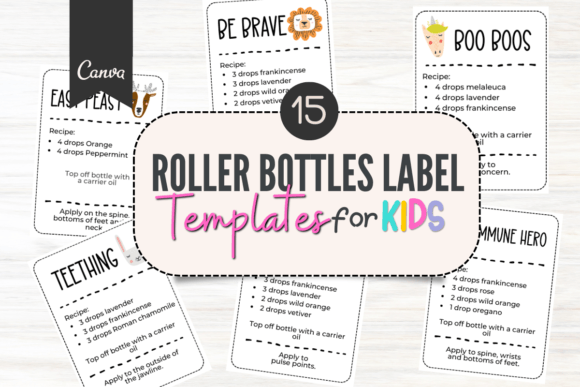
If you are an essential oil enthusiast or run a small aromatherapy business, you know the struggle of keeping your blends organized. You mix a perfect concoction of Lavender and Peppermint, pour it into a 10ml roller bottle, and then realize you have no idea what is inside that amber glass three days later. That is where a solid design asset comes into play. Specifically, I want to discuss the utility and versatility of the Essential Oil Roller Bottle Labels Template. This isn't just a decorative element; it is a functional piece of packaging design that bridges the gap between chaotic hobbyist and organized entrepreneur.
The Practicality of Canva-Based Design Assets
One of the biggest hurdles for small business owners and crafters is software accessibility. You don't always need the steep learning curve of professional desktop publishing software to create high-quality brand identity materials. This is where the Canva Template aspect of these labels shines. By leveraging a cloud-based editor, the barrier to entry is virtually nonexistent. You receive a PDF with a direct link, which opens up the design in Canva. This approach democratizes the design process, allowing you to edit typography, change colors to match your specific branding, and adjust layouts without needing a degree in graphic design.
The workflow described is incredibly efficient. You receive the link, customize the text to reflect your specific blend—be it "Immunity Boost" or "Sleep Support"—and save your work. Because it is a digital file with no download limit, you have total control over your inventory management. If you run out of "Headache Relief" labels on a Tuesday morning, you don't need to place an order and wait for shipping. You simply print another sheet. This on-demand capability is a game-changer for small business owners who need to remain agile.
Visual Hierarchy and Readability in Small Spaces
When working with 10ml roller bottles, you are dealing with a very small canvas. This is where modern typography and layout principles become critical. A well-designed template handles the visual hierarchy for you, but it is important to understand why it works. The goal is readability. When a customer picks up a bottle, they need to identify the contents instantly. The template typically prioritizes the name of the blend, followed by the ingredients or volume. This hierarchy ensures that the label serves its primary function: information delivery.
Furthermore, the aesthetic appeal of the label influences brand perception. A cohesive set of labels suggests professionalism and care. It tells your customer that you value the details. Whether you are using these for personal home use—creating a DIY gift for a friend—or selling them at a local market, the visual consistency of your labels creates a sense of trust. It transforms a simple glass bottle into a product. The design acts as a silent ambassador for your brand, ensuring that the visual style matches the quality of the essential oils inside.
Production and Material Considerations
While the digital design is crucial, the physical execution is equally important. The instructions recommend printing on A4 adhesive sheets, specifically waterproof paper. This is a piece of advice that should not be overlooked. Essential oil blends often contain carrier oils like fractionated coconut oil, which can leak or leave residue. If you use standard printer paper, the ink will run, and the label will disintegrate, ruining your brand identity. Investing in waterproof or oil-resistant sticker paper ensures the longevity of your product. It maintains the professionalism of the item throughout its usage life.
From a marketing perspective, the tactile experience matters. A sturdy, well-printed label feels different in the hand than a flimsy piece of paper. It elevates the perceived value of the oil blend. For those using these templates for commercial projects, this attention to material quality can justify a higher price point. It is a subtle form of brand strategy that pays dividends in customer satisfaction.
Beyond the Bottle: Versatility and Application
While the primary function is labeling 10ml roller bottles, the mindset behind using a Canva Template extends to other areas of your business. Once you have established a look for your oil labels, you can apply similar design principles to your social media graphics, business cards, or thank-you notes. The template serves as a foundational element of your broader design assets library. It helps you maintain consistency across different mediums, which is essential for building recognition.
For the hobbyist, this is an opportunity to get creative. You aren't limited to the pre-set designs. You can experiment with different font pairings within Canva to find a style that speaks to you. Perhaps you want a more organic, handwritten feel for your home blends, or a clean, sans-serif look for a clinical, professional vibe. The flexibility of the template allows you to explore these creative avenues without starting from scratch. It provides a structure that supports creativity rather than stifling it.
Final Thoughts on Utility and Safety
It is worth noting the disclaimer included with these products: use essential oils at your own risk. While the template helps you organize and present your oils, it is your responsibility to ensure the safety of the blends. Clear labeling isn't just about aesthetics; it's about safety. If you are gifting these oils, the recipient needs to know exactly what is inside to avoid allergic reactions. A clear, legible label is a safety feature.
Ultimately, the Essential Oil Roller Bottle Labels Template is a practical solution to a common problem. It combines the ease of Canva editing with the necessity of proper product labeling. Whether you are a seasoned aromatherapist or a beginner crafter, having a reliable, customizable system for your labels saves time, reduces stress, and elevates the presentation of your oils. It turns the chaos of mixing and blending into a streamlined, professional process.